
Waiākea Peninsula Master Plan
About the Project:
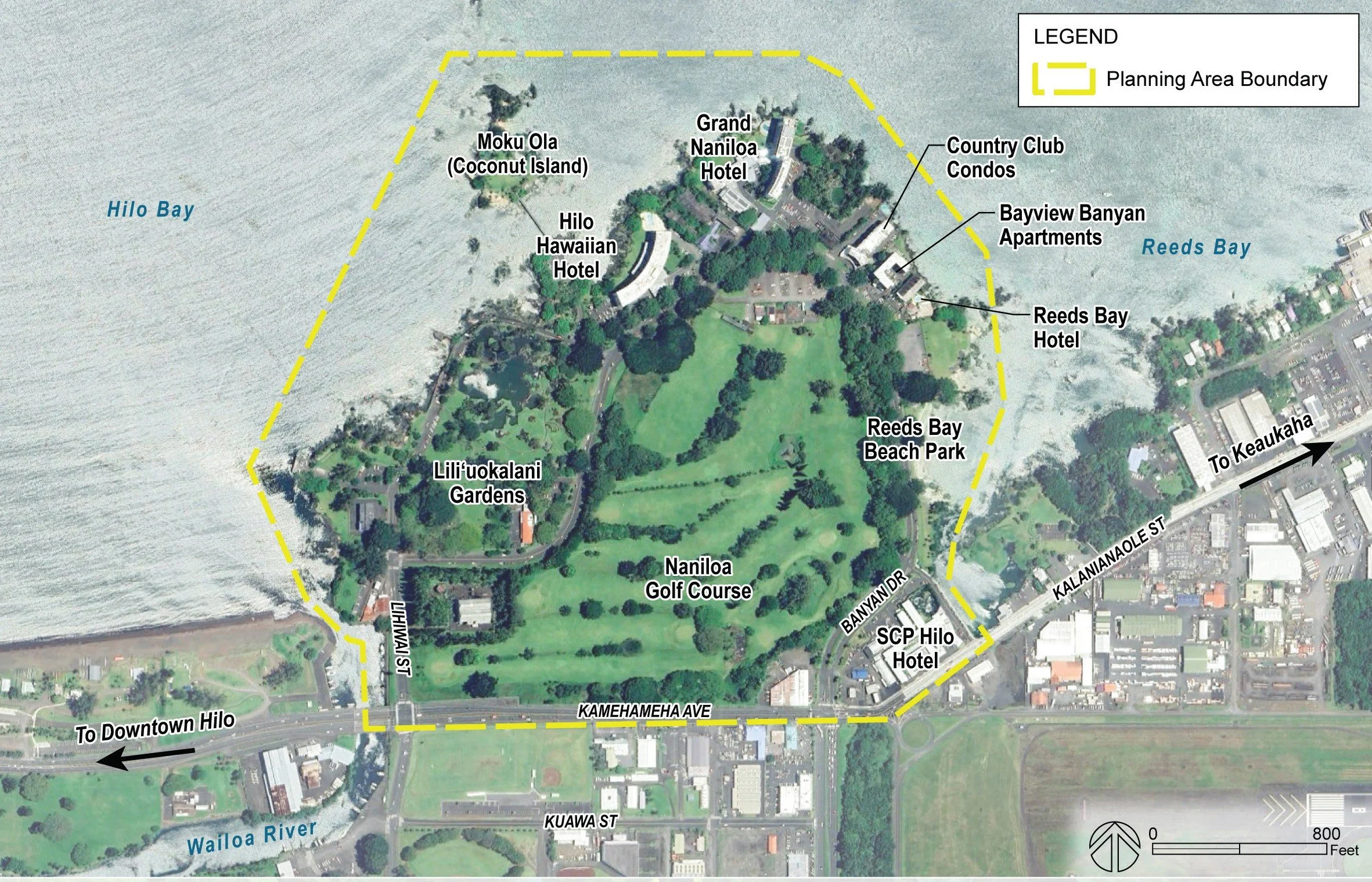
The Hawai‘i Community Development Authority (HCDA) is embarking on a master planning effort to re-envision the future of the Waiākea Peninsula. Historically a major contributor to Hilo’s thriving and vibrant economy, the future of long-standing uses on the peninsula are in flux, and much of the infrastructure and public spaces are aging and in need of care.
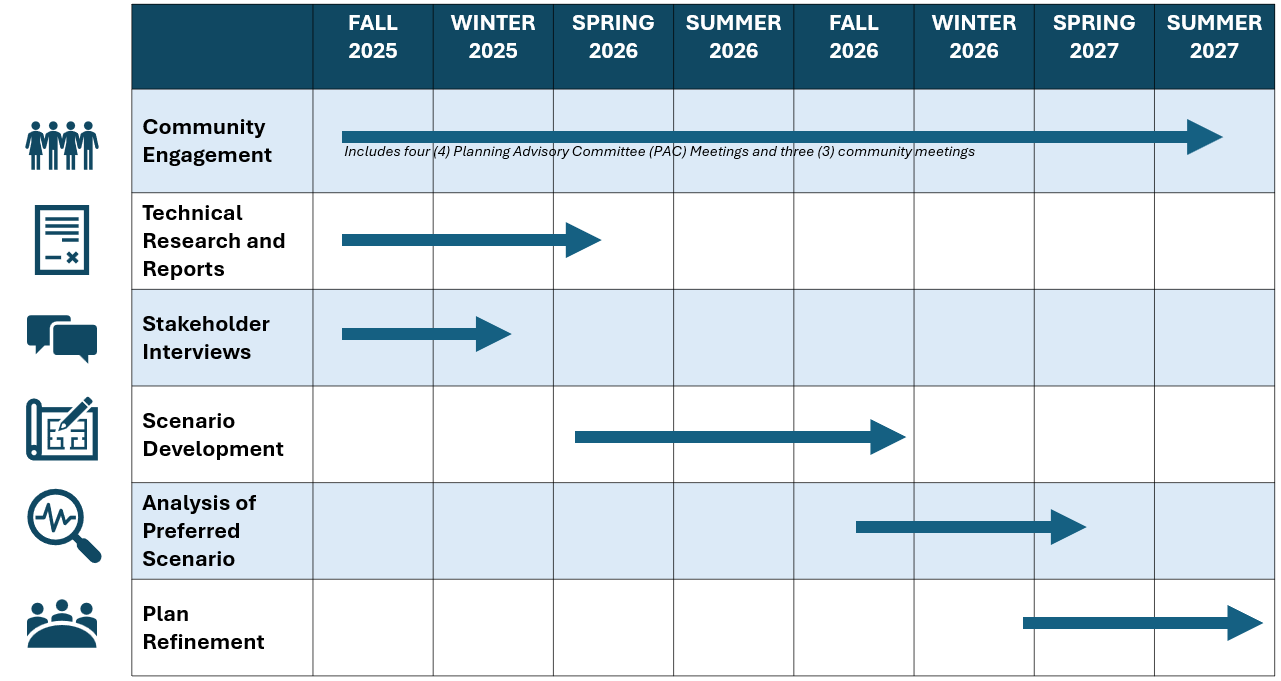
Project Schedule & Timeline
The master planning process began in Fall 2025 and is expected to finish in Summer 2027.
Seeking to address a range of concerns that include public safety, recreational and shoreline access, cultural and environmental stewardship, economic revitalization and planning for sea level rise, the master plan will serve to guide the long-term redevelopment of Waiākea Peninsula and establish an actionable framework for public and private investment.
The master planning process is inclusive of comprehensive background research, the preparation of reports and technical studies, community workshops and presentations, and continuous stakeholder engagement. Through the process, stakeholders and community members will assist in the review of project documents and preparation of development scenarios and alternatives for the final master plan.
About the Hawai‘i Community Development Authority:
Established by the Hawai‘i State Legislature in 1976, the Hawai‘i Community Development Authority (HCDA) is the state entity responsible for coordinating long-range planning and redevelopment within designated community development districts (CDDs), codified under Hawai‘i Revised Statutes (HRS), Chapter 206E. Now in its 50th year of service, HCDA is currently overseeing three CDDs on O‘ahu (Kaka‘ako, Kalaeloa, and He‘eia), one CDD on Maui (Pūlehunui), and improving infrastructure in two Transit-Oriented Development Infrastructure Improvement Districts on O‘ahu (East Kapolei and Iwilei-Kapālama). Characteristics across the districts are varied, ranging from Honolulu’s high-density urban core Honolulu (Kakaʻako) to low-density suburban and light-industrial areas (Kalaeloa and Pūlehunui) and the natural landscape of Heʻeia where traditional cultural agriculture, education, and wetland restoration are priorities. Recognizing that the CDDs have different public purposes and functions, HCDA is structured so that each CDD is governed by its own administrative rules and district authority (e.g., board).
With the support of the State Legislature, HCDA is uniquely positioned to work with local stakeholders of each CDD and champion community redevelopment efforts that require cooperation from the private sector and multiple levels of government entities. HCDA is also able to leverage bonds, special assessments, and other types of low-cost public financing needed to subsidize infrastructure improvements and public facilities that attract private sector investments.
Within this context, HCDA has been assigned as the lead agency to facilitate the State’s efforts to prepare a master plan for the Waiākea Peninsula.